On this page:
Applications
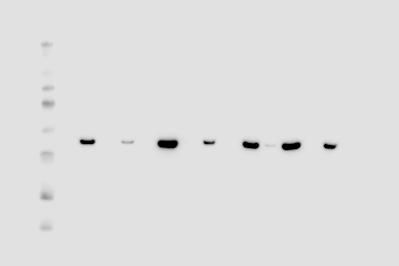
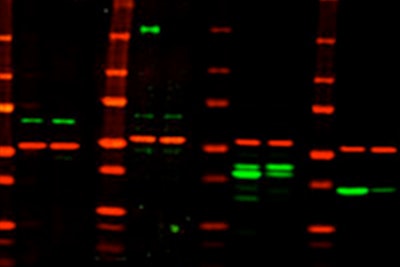
Membrane Applications
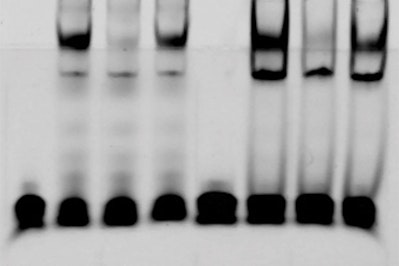
Gel Application
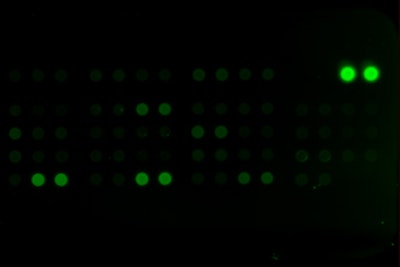
Multi-Well Plate Applications
Slide Applications
LI-COR also sell an extensive range of Western Blotting Reagents & Consumables
Learn more
Top of page
Odyssey M Imager
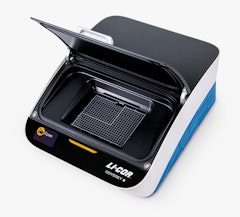
Seek Discovery and Leave Limitations Behind with M
The Odyssey M Imager is the most powerful imager currently offered for fluorescent (i.e., near-infrared (NIR) and visible), luminescent, and white light imaging. With high precision and sensitivity, the Odyssey M Imager is all encompassing for even the most advanced research initiatives.
Expand Research Versatility
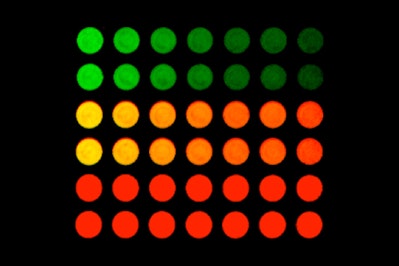
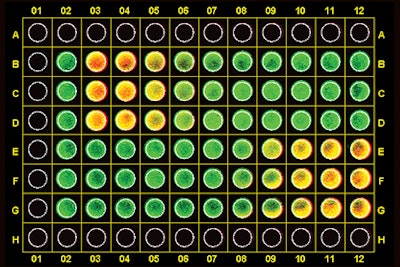
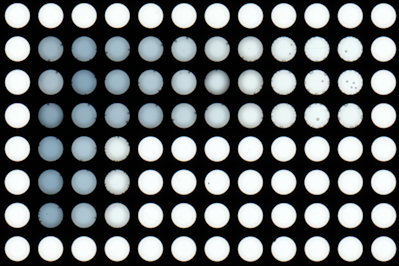
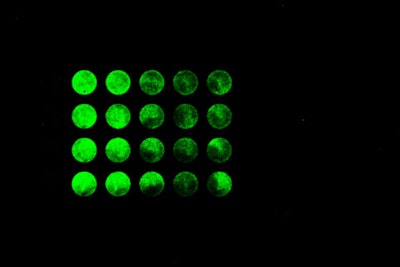
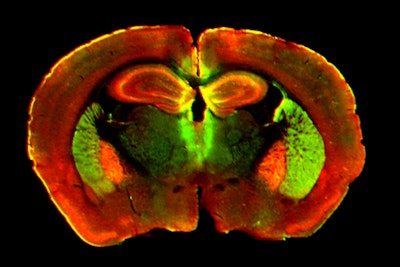
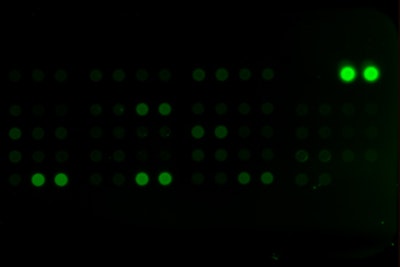
While other imagers have limited versatility, the Odyssey M Imager is equipped to image a vast range of experiments—such as tissue sections, membranes, plate-based assays (e.g., In-Cell Western Assays, ELISA assays, and cell health assays), and gels (e.g., EMSA and DNA and protein gels). This versatility enables it to expand and grow over the years with your research initiatives, saving time and money on additional or replacement imagers.
-
Images up to eighteen channel combinations
-
Uses an industry-leading 5-μm resolution for precise, detailed imaging
-
Integrates with an optional luminescent module
Secure Publishable Data Images
The Odyssey M Imager works jointly with LI-COR Acquisition Software, which is responsible for organizing and preserving raw image data that can then be imported intoEmpiriaStudio. The software also includes step-by-step workflows that walk users through image acquisition to ensure that the results are uniform from person to person. Unlike other imaging software, LI-COR Acquisition Software is intended to ultimately ensure user-to-user consistency, data replicability, and publishable results.
- Tags images with their assay types for easy organization
- Retains raw data images to meet publication guidelines
- Allows for routine image adjustments (e.g., crop, rotate, and flip)
Learn more
Top of page
Odyssey DLx Imager
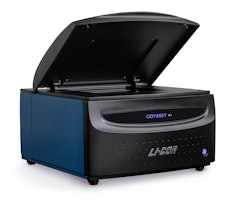 Explore NIR Imaging and See the Difference with DLx
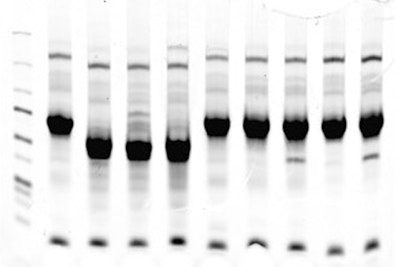
The Odyssey DLx Imager is a flexible, NIR imager that captures Western blots, plate-based assays, tissue sections, and gels. As an effective and high-throughput imager, the Odyssey DLx Imager takes premium, unsaturated images in a single acquisition.
Simplify and Speed Up the Imaging Process
A faster setup means a faster imaging procedure. The Odyssey DLx Imager has several primary features that simplify and increase imaging turnaround. Together, they capture data detail and complexity without sacrificing integrity.
- Has over six logs of dynamic range
- Does not require camera setting adjustments
- Captures a single image with the full data range
Take Unsaturated, High-Quality Images
Unlike other NIR imagers, the Odyssey DLx Imager uses the same optical settings for all acquired images. Its advanced NIR laser technology also allows for highly sensitive imaging with over six logs of dynamic range. Together, these allow the Odyssey DLx Imager to capture the full range of data into a single image that has authentic band signals and no saturation.
- Images pixel by pixel with laser-point technology
- Produces images with accurate band signals
- Uses 21-μm resolution for high-precision imaging
Learn more
Top of Page
Odyssey XF Imager
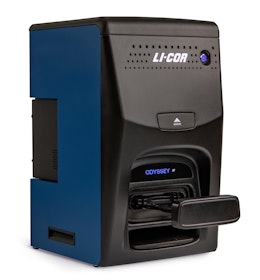 Drive Your Research and Capture the Essentials with XF
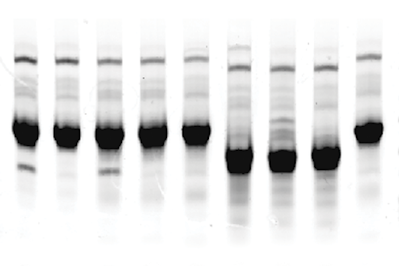
The Odyssey XF Imager is a robust NIR and chemiluminescent imager that provides enhanced detection for Western blots and gels. Combining the essential assays into a single imager, the Odyssey XF Imager takes consistent and low-background images every time.
Create a Solid Research Foundation
The Odyssey XF Imager lays the groundwork for credible research by taking precise, high-integrity images. By gathering all the vital components of separate NIR and chemiluminescent imagers into one unit, the Odyssey XF Imager is ready to be used by researchers of all experience levels.
- Images NIR and chemiluminescent membranes and protein and DNA gels
- Covers fundamental imaging needs for most labs
- Multiplexes with over six logs of dynamic range for high sensitivity
Accurately Image without Artificial Software Enhancements
Other digital imagers take images that need to be corrected or manipulated in post-processing—using tactics such as binning, flat fielding, and image stacking—which can lead to inaccurate and irreplicable results. The Odyssey XF Imager's patented optics deliver images that are uniform and have low background, eliminating the need for image manipulation and safeguarding against these tactics' errors.
Learn more
Top of Page
C-DiGit Blot Scanner
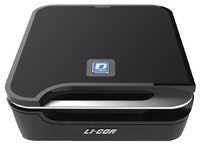 The C-DiGit Blot Scanner is a chemiluminescent digital scanner for protein blot analysis. It is the perfect integration of affordability and reliability; you can switch from sharing just one expensive scanner with the entire lab to having a C-DiGit Blot Scanner for every member. It also increases the dynamic range—so the scanner can capture faint and bright bands that are otherwise unachievable by traditional, film-based detection methods and can reduce the impact of constantly changing enzymatic reactions.
Concentrate on the Data
- Reduces the need for multiple exposures
- Lowers the risk of saturation
Focus on Research, Not the Price Tag
- Requires minimal maintenance
- Eliminates film expenses
Pack Scientific Advancement into a Single Drawer
- Saves valuable space in the lab
- Simplifies workspace and workflow
Learn more
Top of page
D-DiGit Gel Scanner
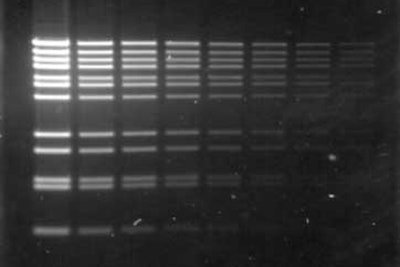
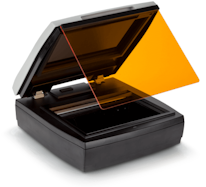 The D-DiGit Gel Scanner is a nucleic acid digital scanner for DNA and RNA gel analysis. With LED detection, a large scan area, and a sensitivity of 0.04 ng per band, the D-DiGit Gel Scanner streamlines workflows and improves protocol efficiency.
Protect Against Harmful UV Rays
- Detects with high-sensitivity LED light
- Eliminates the risk of UV exposure to the user and sample
Expand Current Studies with Flexible Scanning
- Suits assorted gel sizes with a large scan area
- Streamlines workflows with acquisition software
- Allows for band extraction on the scan area
Learn more
Top of page
Pearl Trilogy Small Animal Imager
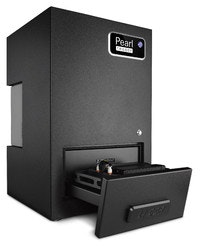 Near-Infrared Fluorescence and Bioluminescence Imaging
The Pearl Trilogy Small Animal Imager is a sensitive, NIR imager that captures fluorescence and bioluminescence in live animals and excised tissue. This imager's multi-channel detection allows for easy characterization and monitoring of specificity, biodistribution, clearance, delivery, and efficacy.
At the heart of the Pearl Trilogy is a revolutionary FieldBrite™ Xi2 system, which uniformly illuminates the sample. This innovative approach detects smaller and deeper targets accurately and in a single acquisition—without saturation or the need for image adjustments.
Accessory Products
-
SmartFlow Anesthesia Suite: Inhalation isoflurane anesthesia system
-
Pearl Clean Box: HEPA-filtered imaging bed with isoflurane administration
-
Pearl Docking Station: HEPA-filtered anesthesia provider for Pearl Imaging Bed and Pearl Clean Box
-
Compound Injection Clip: Drawer attachment during imaging for real-time injection imaging
-
Organ Tray Base and Trays: Unheated surface for organ imaging and transport
-
Pearl Imaging Bed: Removable imaging bed with isoflurane administration
-
Pearl Imaging Cart: Mobile cart for imaging instruments and systems
Learn more
Top of page
Software - Empiria Studio
Expert analysis made simple.
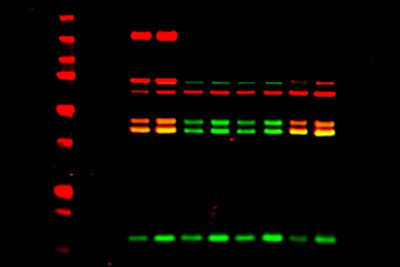
The only Western blot analysis software that guides you from validation through statistical analysis for reliable results.
120 Day Free Trial






 Explore NIR Imaging and See the Difference with DLx
 Drive Your Research and Capture the Essentials with XF
 The C-DiGit Blot Scanner is a chemiluminescent digital scanner for protein blot analysis. It is the perfect integration of affordability and reliability; you can switch from sharing just one expensive scanner with the entire lab to having a C-DiGit Blot Scanner for every member. It also increases the dynamic range—so the scanner can capture faint and bright bands that are otherwise unachievable by traditional, film-based detection methods and can reduce the impact of constantly changing enzymatic reactions.
 The D-DiGit Gel Scanner is a nucleic acid digital scanner for DNA and RNA gel analysis. With LED detection, a large scan area, and a sensitivity of 0.04 ng per band, the D-DiGit Gel Scanner streamlines workflows and improves protocol efficiency.
 Near-Infrared Fluorescence and Bioluminescence Imaging